

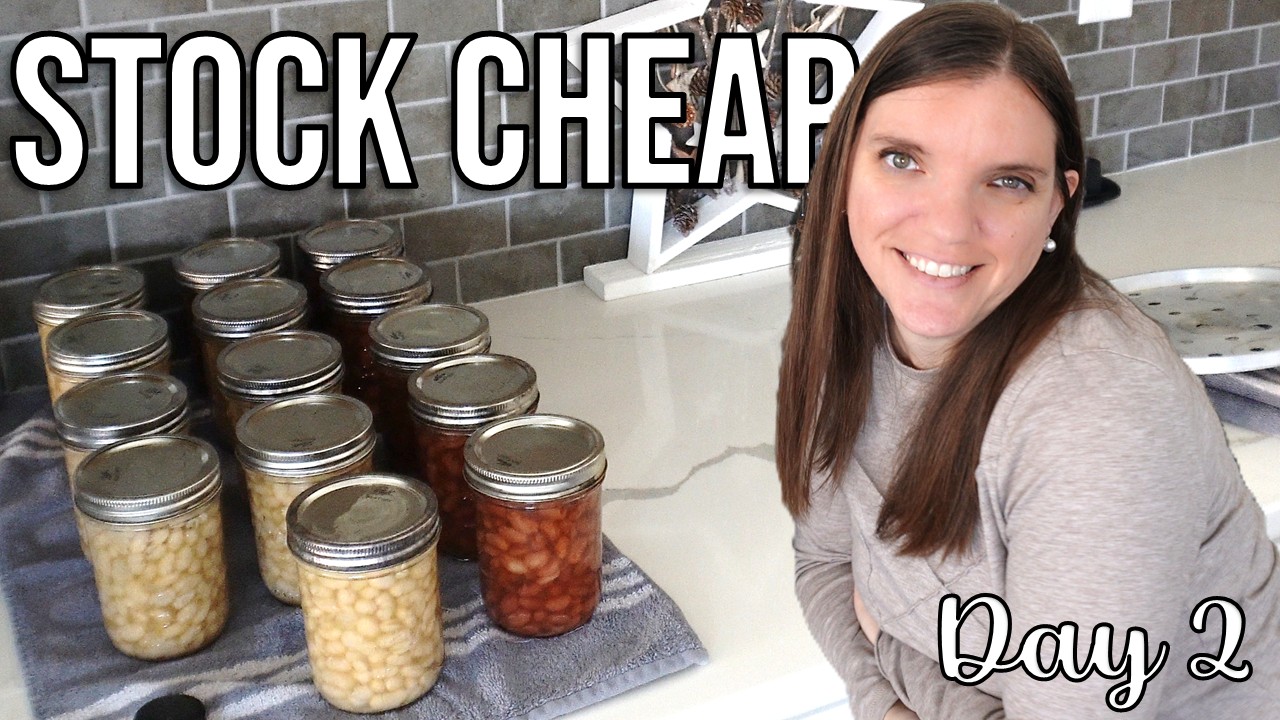
Good morning! Today is day two of my canning journey, and I’m excited to dive into one of my favorite pantry staples: beans. After soaking them overnight, they’ve plumped up beautifully, soaking in all that water and getting ready for the canner. If you’ve never soaked beans before canning, let me assure you—it makes a huge difference. Not only does it help with the cooking process, but it also ensures that the beans cook evenly and safely in the pressure canner.
Disclaimer: This video/post is for entertainment purposes only and demonstrates the canning process using safe, tested recipes. Always follow guidelines provided by trusted sources like the USDA, National Center for Home Food Preservation, or your local extension office. Improper canning techniques can lead to serious health risks, including foodborne illnesses. The methods demonstrated in this video are based on best practices at the time of filming. It is your responsibility to verify and follow the most current recommendations for canning safety. Consult a certified expert if you have any concerns or questions. By choosing to replicate the processes shown in this video, you assume full responsibility for your results.
Products used in this video (Affiliate links)


Preparing the Beans for Canning
I started this morning by checking my beans. I had a full 2 pounds of navy beans ready for canning and 1 pound 6 ounces of pinto beans. The soaking process is essential, especially when planning to pressure can beans. If you try to can unsoaked beans, you risk uneven cooking, which can result in unsafe jars. For me, pre-soaking is not just a recommendation—it’s a must.
While my beans soaked, I prepared my canning equipment. I pulled out my big pots for boiling and got my USDA Complete Guide to Home Canning handy to ensure every step was done correctly. Safety is always a priority when canning low-acid foods like beans, as the risk of botulism is real if jars are not processed correctly.
I like to use two different pots: one wide and short, and the other taller and skinnier. The wider pot gives more even boiling coverage for larger batches, while the taller one helps keep the water level consistent. It’s funny how pots of the same size can differ so much in shape and functionality!
The Pre-Boil Step
Once the beans were soaked and plumped up, I added them to hot water for the pre-boil. This step is critical because it softens the beans slightly, reduces cooking time, and helps prevent cracking in the jars. Navy beans, in particular, need about 30 minutes of boiling before they’re ready to go into jars.
While waiting for the water to come up to a boil, I reviewed my calculations for the jars. I had noted that 2 pounds of Great Northern beans filled nine quarts when canning 4 pounds. For the 2 pounds of navy beans I had, I was expecting about nine pint jars. Similarly, for the pinto beans, I calculated that I didn’t need a full 2 pounds since the batch wouldn’t require as many jars.

Getting the Canner Ready
With the beans boiling, it was time to prep the jars. I prefer to use hot water to warm my jars. Cold jars can crack when filled with hot beans, and no one wants a broken jar full of beans. Some people use their dishwasher to heat jars, but I find that pouring hot water directly works best for me.
The next step is filling the jars. I carefully ladled the hot beans into jars, leaving a little headspace for expansion during processing. The USDA recommends a 1-inch headspace for beans, which allows steam to circulate and prevents jars from overflowing. After filling, I wiped the rims clean to ensure a proper seal and placed the lids on.
Processing the Beans
The navy beans went into the canner first. The pinto beans were next, going into the pot as soon as it reached a boil. Timing is everything when pressure canning, so I set my timer for 75 minutes per the USDA’s guidelines. Each jar was heated, filled, and carefully positioned in the canner to avoid overcrowding.
One of my favorite parts about canning is the smell of beans cooking. There’s something so comforting about it—it fills the kitchen and makes the whole house feel cozy. Even though it’s just beans, it’s a smell that says “home” to me.
Monitoring Pressure and Safety
As the beans cooked, I monitored the pressure canner closely. The goal is to maintain a steady 15 pounds of pressure without letting it dip below or spike too high. This step is essential for safe canning. Pressure canning ensures that the internal temperature reaches a level high enough to kill any harmful bacteria, which is especially important for low-acid foods like beans.
While the canner was doing its job, I multitasked—starting a load of laundry, moving beans from pots, and prepping for the next batch. Canning can be time-consuming, but it’s incredibly satisfying. Seeing the pantry slowly fill up with homemade goods makes all the effort worth it.
Sealing and Storing the Jars
Once the timer went off, I carefully removed the jars and allowed them to cool slightly. The telltale “ping” sound of the lids sealing properly is one of the most rewarding parts of canning. A firm lid with a slight concave shape indicates a successful seal, while any jars that didn’t seal properly go straight into the fridge to be used within a few days.
For this batch, I ended up with eight pints of navy beans and six pints of pinto beans. While it wasn’t a full canner load, it was plenty for our household of two. The quantity might seem small, but for us, it’s perfect. Having a stocked pantry with pre-cooked beans makes meal prep so much easier and encourages home-cooked meals.
Cleaning and Organizing the Pantry
With the jars sealed and cooling, I took the time to clean up the kitchen. Canning generates quite a few dishes, from the pots and ladles to the canning rack and lids. I use a washcloth for any condensation on the sides of the jars and make sure the lids are spotless before storing.
Once the jars are dry, I label them with the date and type of beans. Organization is key—especially when trying to maintain a stocked pantry throughout the year. I arrange the jars on shelves by type, with extra stock placed on the upper shelves as overstock. This method ensures I can rotate through jars efficiently, always using the oldest first.
Planning for Future Canning Projects
This year, I’m trying a slightly different approach to canning. Instead of just focusing on staples like chicken and beans, I’m experimenting with meals in a jar. Chili is next on my list, and I’m excited to try new spice blends I recently purchased. I love having ready-to-go meals on hand, especially when the weather is hectic or when I want a quick dinner without compromising on quality.
I also plan to diversify my pantry staples. While beans and chicken are essentials, I want to experiment with broths, soups, and even desserts in jars. The flexibility of canning means I can customize my pantry to suit our household’s needs, avoiding unnecessary purchases and reducing food waste.
Tips for Successful Bean Canning
- Always soak your beans overnight. This reduces cooking time and ensures even cooking during pressure canning.
- Use hot water to fill jars. This prevents cracking and ensures jars are ready for hot food.
- Monitor the pressure closely. Keep the pressure steady at 15 pounds for safe canning.
- Wipe jar rims before sealing. Any residue can prevent a proper seal.
- Label jars clearly. Date and type of bean are essential for rotation and meal planning.
- Store sealed jars in a cool, dark place. Proper storage helps maintain freshness for up to a year.
Canning might seem intimidating at first, but once you get the hang of it, it’s incredibly rewarding. There’s something special about knowing that you’ve created a pantry stocked with homemade, healthy, and cost-effective ingredients. And for someone like me, who loves home-cooked meals, it’s a dream come true.
Conclusion
Day two of my canning adventure was a success. With navy and pinto beans safely canned, my pantry is starting to feel a lot more stocked. I’m excited for the next steps—canning chili, broth, and other meals in jars to fill up our shelves. Canning isn’t just about preserving food; it’s about creating convenience, saving money, and enjoying the satisfaction of homemade staples.
I’d love to hear from you! What are your favorite things to can? Do you stick to staples like beans and chicken, or do you try meals in jars too? Leave a comment below and share your favorite recipes or tips.
Remember, if you’re new to canning, always follow safety guidelines. Use the USDA Complete Guide to Home Canning or another reliable source to ensure your food stays safe and delicious.
Happy canning, and I can’t wait to see your pantry full of homemade goodness!


